
Being poor isn’t just about lacking money - it’s about being deprived in several dimensions of life that are essential for well-being and dignity.
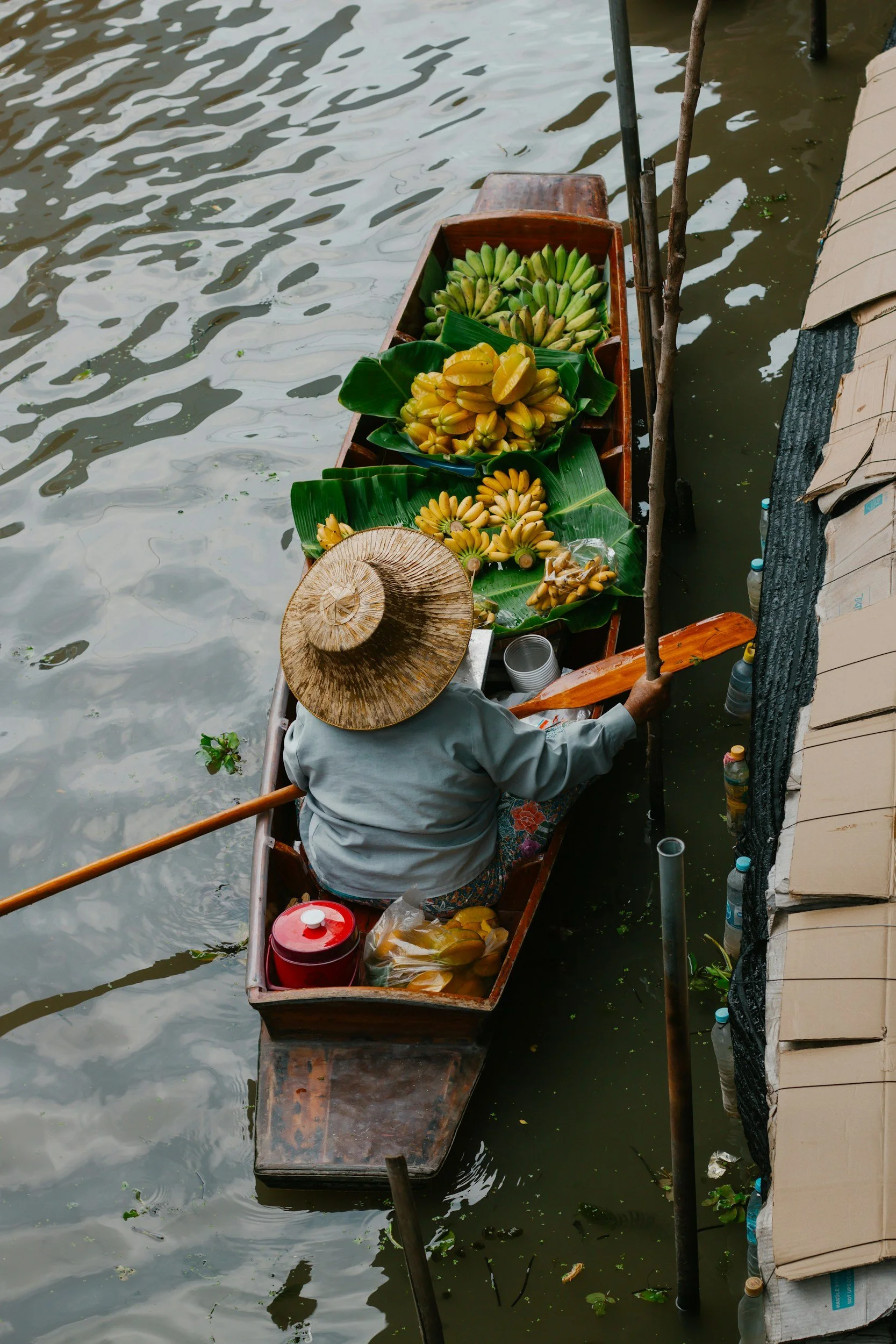
-
According to the UNDP and Oxford Poverty and Human Development Initiative (OPHI), the global Multidimensional Poverty Index (MPI) uses three main dimensions, each with several indicators:
Health: Nutrition, child mortality, access to healthcare
Education: Years of schooling, school attendance
Living Standards: Electricity, drinking water, sanitation, housing, assets, cooking fuel
-
Cumulative disadvantage means that different forms of deprivation and inequality reinforce one another over time — creating a cycle of vulnerability that becomes very hard to break.
-
Rural populations, particularly the Northeast and Deep South;
Ethnic minorities and indigenous groups, who often face linguistic and geographic barriers;
Migrant workers, who are excluded from many formal services;
Households led by women, especially single mothers.
-
Because poverty intersects with gender inequalities (women may have fewer resources, fewer safe alternatives, more informal work), women in poorer households may be less able to escape violence or exploitation.
In contexts of sexual exploitation/trafficking, poverty means individuals (especially women, children) may be lured by false job offers or pushed into sex work because of economic necessity.
Rural poor households, particularly in remote areas or among ethnic minorities/indigenous communities, face combined disadvantages (geographic isolation, fewer services, less employment opportunity) and therefore higher risk of exploitation/trafficking.
Financial desperation can push people (especially women or children) into unsafe or unregulated work, or make them targets of traffickers offering “job opportunities”.Additionally, poverty can reduce access to support systems, justice or exit pathways – once exploited, people from very poor backgrounds may have fewer alternatives to escape, less social protection, and fewer resources for recovery.